'Stage 1 complete'. It sounds like a phrase better suited to a video game than a 200mph motor race, so what's it doing in NASCAR?
The sport has tried a number of ways to keep fans engaged with races over the course of a long 36-race (38, with the Clash and All-Star race!) season, and stage racing is just one of the innovations they've introduced in the 21st century.
Some of those, like the playoffs and accompanying one-race season finale, have already been ditched, while some have endured, like the common sense double file caution restarts.
Stage racing, introduced in 2017, sits somewhere in the middle of the two mentioned above. It's still controversial with a number of race fans, but it seems unlikely to go away any time soon.
How do NASCAR stages work?
NASCAR stages essentially split races into three parts (four at the longest race of the year, the Coca-Cola 600), with the final part typically being the longest of the lot.
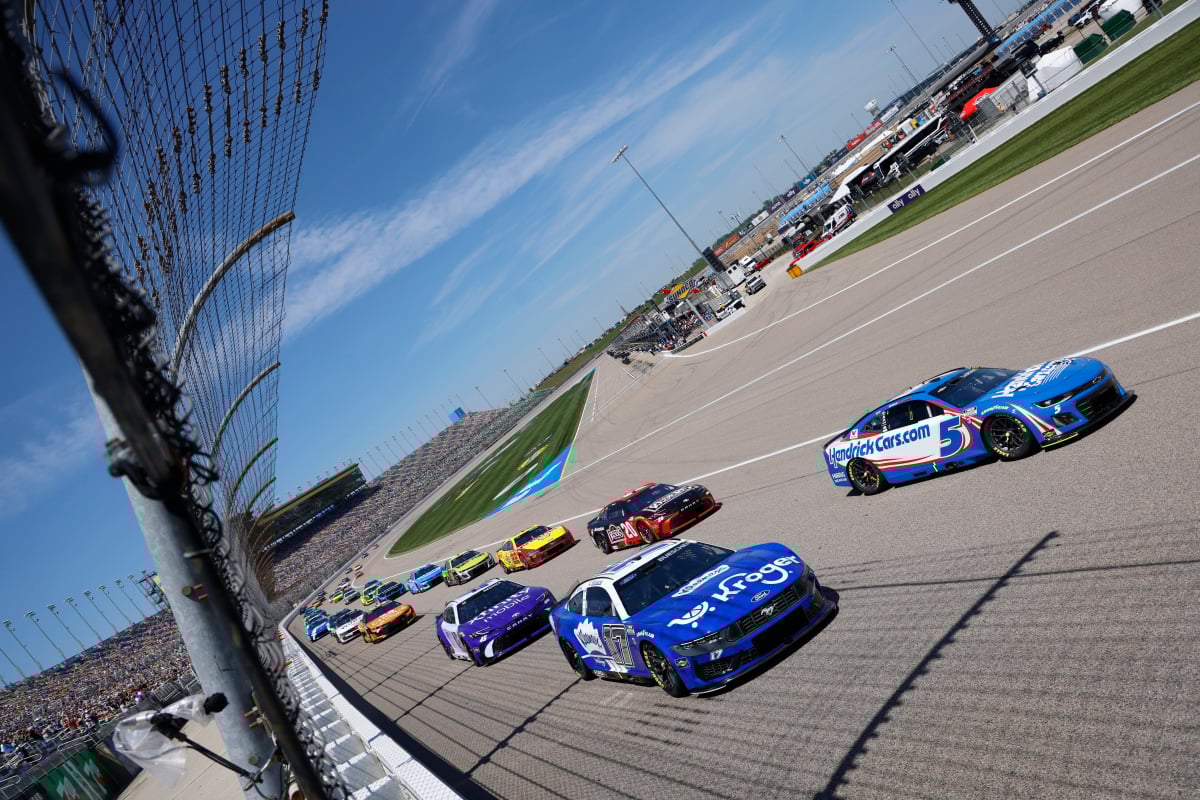
Ten championship points are awarded to the first car across the line at the end of a mid-race stage, down to one point for tenth place. When the points are decided and the field is across the line, the race goes under caution, which usually prompts a round of pitstops, before a restart when everyone's back on track and lined up.
Those cautions serve to bring the pack back together, especially on circuits where it's possible for a small number of drivers to disappear off the front of the pack and make the second half of the race a non-event (think Shane van Gisbergen at a road course, for an example).
READ MORE: Who is Chris Gabehart? The man at the heart of $8million-plus Joe Gibbs Racing lawsuit
What are the criticisms of NASCAR stages?
Some fans complain about the artificial influence on the racing, with others pointing out that the cautions disadvantage teams who have dialled in their setup perfectly after practice, as their fast starts will be negated while other teams lock in over the course of the race.
Some fans also complain about the lengthy cautions, which can sometimes eat up nearly ten laps in a row of what would otherwise be green flag running – filled, of course, with commercials on TV.
Fuel saving has become a hot topic again after the Daytona 500, and stage racing does its bit to encourage that. After all, crew chiefs know exactly which laps they're guaranteed cautions, and can plan their way through the race based on that to avoid green flag pitstops as much as possible.
Do stage points matter in NASCAR?
Yes, now more than ever. While you'll still see some drivers 'flip the stage' by pitting under green with two or three laps to go on a road course in order to gain track position, the reintroduction of the Chase means that every little helps in terms of points gathering.
At the end of last season, William Bryon led the Cup Series in stage points gathered over 36 races. He sat third in non-playoff points at the end of the year – but without the 326 stage points he gathered, he'd have ranked 14th.
With no more win-and-in for the ten-race postseason, every point could be absolutely crucial when it comes to making it into that top 16.
How many laps are NASCAR stages in 2026?
| Track | Stages (laps) | Track Length (miles) |
|---|---|---|
| Bowman Gray | NA | 0.25 |
| Daytona | 65-130-200 | 2.50 |
| Atlanta | 60-160-260 | 1.54 |
| COTA | 20-45-95 | 2.40 |
| Phoenix | 60-185-312 | 1.00 |
| Las Vegas | 80-165-267 | 1.50 |
| Darlington | 90-185-293 | 1.366 |
| Martinsville | 80-180-400 | 0.526 |
| Bristol | 125-250-500 | 0.533 |
| Kansas | 80-165-267 | 1.50 |
| Talladega | 60-120-188 | 2.66 |
| Texas | 80-165-267 | 1.50 |
| Watkins Glen | 20-50-100 | 2.45 |
| Dover All-Star | TBD | 1.00 |
| Charlotte | 100-200-300-400 | 1.50 |
| Nashville | 90-185-300 | 1.33 |
| Michigan | 45-120-200 | 2.00 |
| Pocono | 30-95-160 | 2.50 |
| San Diego | 20-40-75 | 3.40 |
| Sonoma | 25-55-110 | 1.99 |
| Chicagoland | 80-165-267 | 1.50 |
| Atlanta II | 60-160-260 | 1.54 |
| North Wilkesboro | 80-265-450 | 0.625 |
| Indianapolis | 50-100-160 | 2.50 |
| Iowa | 70-210-350 | 0.875 |
| Richmond | 70-230-400 | 0.75 |
| New Hampshire | 70-185-301 | 1.058 |
| Daytona II | 35-95-160 | 2.50 |
| Darlington II | 115-230-367 | 1.366 |
| Gateway | 45-140-240 | 1.25 |
| Bristol II | 125-250-500 | 0.533 |
| Kansas II | 80-165-267 | 1.50 |
| Las Vegas II | 80-165-267 | 1.50 |
| Charlotte II | 80-165-267 | 1.50 |
| Phoenix II | 60-185-312 | 1.00 |
| Talladega II | 60-120-188 | 2.66 |
| Martinsville II | 130-260-500 | 0.526 |
| Homestead | 80-165-267 | 1.50 |
WATCH FOR FREE: We've Lost Dale Earnhardt: 25 Years Later